
Preparation or procrastination?
What estimating editing projects—and marketing our books—can teach us about where our time really goes.
In this week’s Shining Beacon, I’m guiding editors and authors through storms of productivity and self-honesty because sometimes the hardest part of running a business and marketing a book is deciding whether we’re preparing or avoiding.
And I’m spotlighting two standout resources: my Intentional Time Management webinar for editors and Cheyenne’s 3-Step Guide to Getting Crystal Clear on Your Novel for indie authors.
As always, I welcome questions, so comment below or email me.
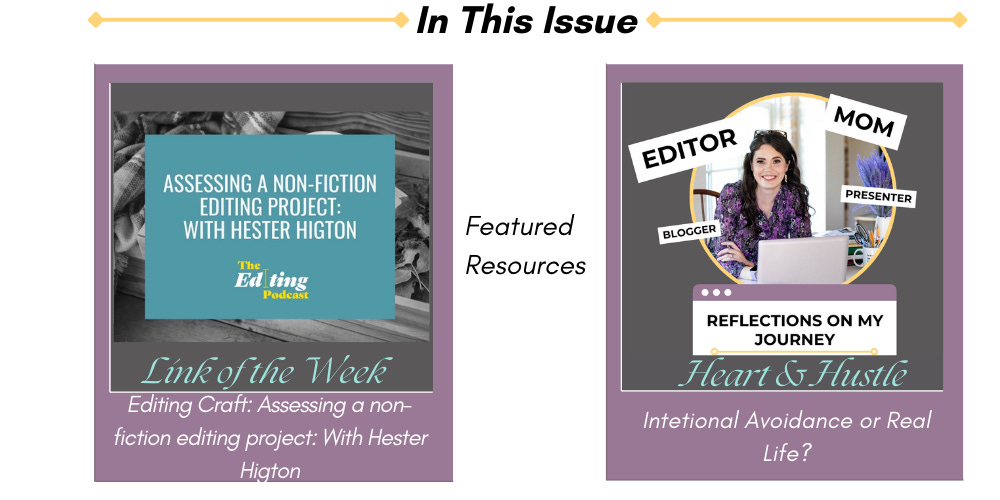


Lessons from the messy middle—where passion meets persistence. These reflections come from pouring my heart into this business, serving editors and authors with everything I’ve got, and hustling to grow, learn, and light the way for others doing the same.

Intetional Avoidance or Real Life?
This month was supposed to be my marketing month.
I had the vision all mapped out: lighten my editing workload, let my team handle more projects, and spend the bulk of my time promoting my books and growing my business.
Since I teach other editors intentional time management, I thought I had this one nailed.
Except … real life had other plans.
Some team members needed to step down, which meant I suddenly needed to recruit and train new ones.
My books needed revamping.
A late project landed back on my desk.
Campaign links broke.
Email sequences needed updating.
Contact lists needed refreshing.
Every day I’d sit down with a list of marketing tasks, and instead spend the day doing other unrelated tasks or just preparing for marketing.
Getting campaigns ready
Updating contact lists
Creating outreach templates
And suddenly it hit me: We’re halfway through March, the month that was supposed to be focused entirely on marketing … and I barely feel like I’ve marketed at all.
So I asked myself a tough question:
Am I avoiding the real work because I’m afraid it won’t work?
Or are these genuinely necessary tasks pulling my attention?
The honest answer is probably both.
Some of these interruptions were legitimate. Building a team and revamping my book, for example.
But preparation can also become a sneaky form of procrastination.
Sometimes we tell ourselves we’re “getting ready” when what we really need to do is press publish, send the email, or reach out to someone.
I’m still figuring out the balance.
Lesson for you:
👉For editors: Even the best time managers hit seasons where everything piles up. When that happens, pause and ask: Is this preparation or avoidance? Then protect at least one block of time for the work that actually moves your business forward.
👉For authors: Marketing a book often feels overwhelming because the results are uncertain. It’s easy to hide in planning or the easy quick marketing like social media posts that say, “Hey, I have a book.” But readers can’t find your story if you don’t focus on tasks that matter the most.
❓ What important task are you preparing for but still avoiding taking action on?


Running Your Editorial Business. Assessing a non-fiction editing project: With Hester Higton

How do editors actually estimate the time—and cost—of an editing project? In this episode of The Editing Podcast, hosts Denise Cowle and Louise Harnby talk with academic editor Hester Higton about how to assess a nonfiction editing project before the work begins. Their key insight: not all words take the same amount of time to edit. The discussion also highlights another powerful takeaway: The more editors analyze their own workflow and timing, the better they become at quoting accurately, working efficiently, and improving their craft.
✨ Try this:
If you want to get better at estimating editing projects, start by gathering real data from your own work.
For your next nonfiction editing project, create a simple tracking sheet and break the manuscript into categories such as:
Main text
References or bibliography
Tables and figures
Captions
Footnotes or endnotes
Headings or lists
Before you begin editing, record the word count or number of items in each category.
Then, as you work, track how long you spend editing each section using a timer or time-tracking app.
When the project is complete, calculate your editing speed for each type of content.
Once you have this data, you’ll be able to estimate future projects far more accurately—and avoid underquoting work that contains a lot of “hidden” editing time.


Resource for you
While this podcast is about accurate estimates, a part of that is time management. So see this week's resource section for a resource that helps with that.


Remember, as a subscriber, you get a 25% discount on any of my courses and webinars (use coupon code CourseSubscribe) and a 15% discount on any of my products (use coupon code ProductsSubscribe).
If you are a founding member, remember to use your special webinar code to get webinars for free.
These are my gifts to you. Please keep them just between us!
Beacon Point Resource: 3-Step Guide to Getting Crystal Clear on Your Novel, free
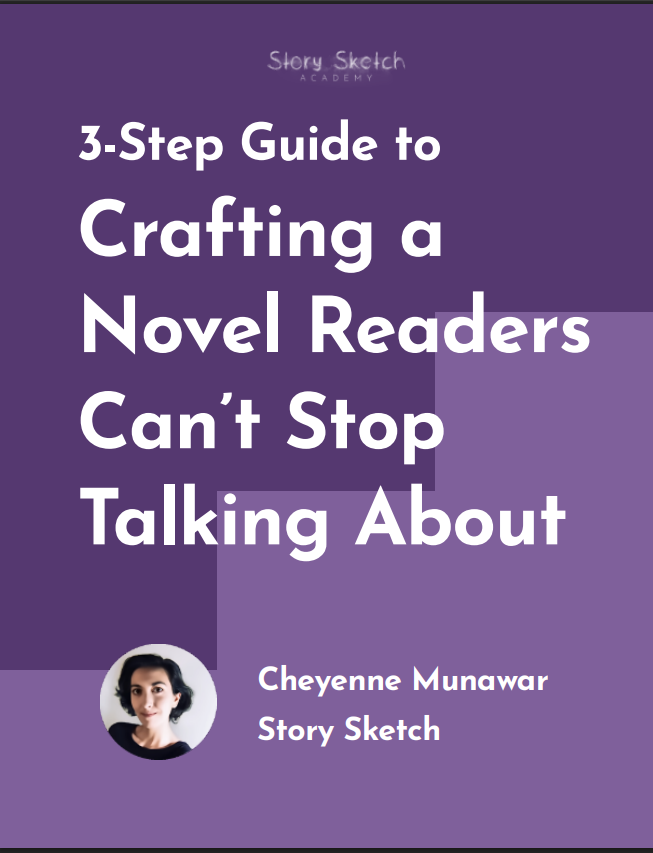
Fellow editor Cheyenne created this guide to help you quickly diagnose your story so revisions become clear and youc an write a novel readers will love. One step actually helps you identify the core engine of your story so you'll know what every scene needs to accomplish and why.
Intentional Time Management Webinar, $35
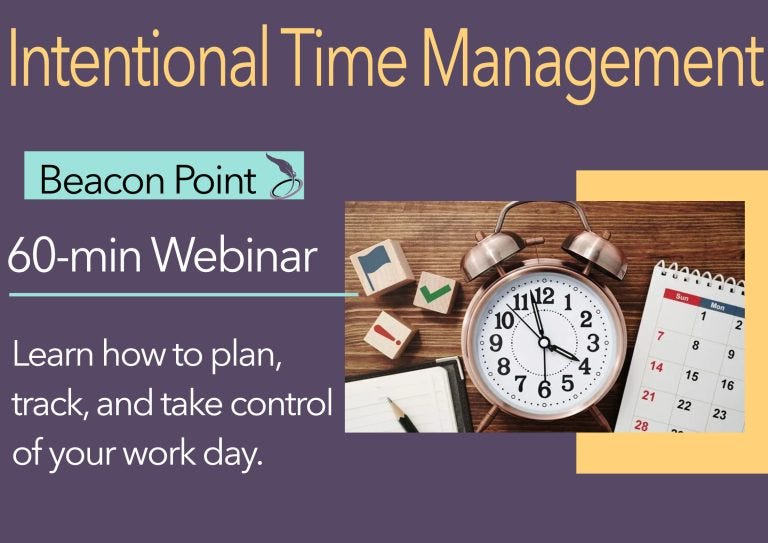
(Founding members, don’t forget to use your coupon code that gets you access to all my webinars for free) Are you constantly racing to meet deadlines, putting off business tasks, or wishing you had time to finally start that blog or take that course? You’re not alone. Many freelance editors manage their time reactively—juggling tasks as they come—without a clear plan for how they want to use their hours. This session will show you how to take back control. You’ll walk away with a personalized time management plan and a set of strategies to help you track and evaluate how you actually spend your time—billable and nonbillable. Learn how to:
· Set realistic weekly and monthly time goals
· Efficiently schedule projects and daily tasks
· Create master to-do lists and email reminders that reduce mental clutter
· Use free time-tracking tools to gather meaningful business data
· Analyze your time stats to make smarter business decisions
If you’re reading this on Substack and aren’t yet a subscriber, check out my About page to learn all the reasons you should subscribe and subscribe below.